
Legacy & Impact
From one Year to Lasting Initiatives
From the beginning, the IYGU was never intended to be just a one-year, symbolic campaign. The core idea of linking local, everyday practices with global challenges provides a broader framework for sustainability, education, and international cooperation. Over time, this approach has resulted in lasting structures, new partnerships, and an ever-expanding global network.
2018
2019
2021
UNESCO Chairs
Following the World Humanities Conference, several projects have been started to meet its recommendations. Part of these include the preparation of a World Humanities Report, the planning of a Global History of Humanity and the establishment of several new Humanities UNESCO Chairs, building on the success of the International Year of Global Understanding of which CIPSH was one of the founding partners. UNESCO has considered important to establish programs focused on the Humanities, and a decision in this direction has been taken, namely considering the above-mentioned projects. As a result, the following five UNESCO Chairs have been established.
The UNESCO Chair on Territorialities and Humanities: The Globalization of Enlightenment is hosted at the Federal University of Minas Gerais (UFMG) in Belo Horizonte, Brazil. Established as an outcome of the World Humanities Conference, its primary objective is to study how the ideals of the Age of Reason spread globally.
The UNESCO Chair on Language Policies for Multilingualism in Brazil is based at the Federal University of Santa Catarina (UFSC) in Florianópolis, led by Chairholder Dr. Gilvan Müler de Oliveira. It operates as a global research network dedicated to understanding multilingual contexts and promoting language policies for sustainable development.
The UNESCO Chair on Borders and Migrations in Brazil is hosted at the Federal University of Santa Maria (UFSM) in the state of Rio Grande do Sul. Established in 2019, the chair operates through the university’s Graduate Program in History and the International Relations department to address border integration, diasporas, and displacement.
The UNESCO Chair in Humanities and Cultural Integrated Landscape Management, based at the Instituto Politécnico de Tomar/Portugal, chaired by Prof. Dr. Luiz Oosterbeek. It has as its main goal foster research and its application on the Humanities specific contribution to daily landscape management, thus meeting the strategy of the Sustainable Development Goals (SDGs) defined by the UN 2030 Agenda.
The UNESCO Chair on Global Understanding for Sustainability, Friedrich Schiller University Jena, Germany.
UNESCO-Chair "Global Understanding for Sustainability" Opening Ceremony
Welcoming speech by Nada Al-Nashif, Assistant Director-General for Social and Human Sciences at UNESCO , delivered on May 2, 2018 at the opening ceremony of the UNESCO-Chair „Global Understanding for Sustainability“ at the University of Jena (Germany).
UNESCO Chair on Global Understanding for Sustainability
Established in 2018 at Friedrich Schiller University Jena, the UNESCO Chair continues the central concerns of the IYGU in a permanent institutional form. It focuses on the social, cultural and natural embeddedness of human action and promotes new forms of cooperation between the humanities, social sciences and natural sciences.
The Chair works across research, education and public information. As part of UNESCO’s international Chair network, it serves as a laboratory of ideas for innovative, human-centred approaches to sustainability.
The opening ceremony of the UNESCO Chair in Global Understanding for Sustainability
On 2 May 2018, the UNESCO Chair in ‚Global Understanding for Sustainability‘ was officially inaugurated at Friedrich Schiller University in Jena, with over 100 guests in attendance, including members of the German-speaking geography community, as well as colleagues from Asia, Latin America, North America and Oceania. It is the 12^(th) German UNESCO Chair and one of 700 worldwide. Awarded since 1992 as part of the UNITWIN programme, the Chairs form a global platform for scientific cooperation and a laboratory for new concepts, as Nada Al-Nashif, UNESCO Assistant Director-General for Social and Human Sciences, emphasised in her video message. UNESCO Chairs promote international networking in research, teaching and non-academic cooperation within the United Nations‘ key areas of action.
The Jena chair primarily aims to integrate the social sciences and humanities more closely into sustainability research, in line with the program of the ‚International Year of Global Understanding‘ (IYGU). Rather than being addressed from a natural science perspective, the challenges of globalization are approached through a transdisciplinary approach. Rather than specialized disciplinary knowledge, everyday practices should form the starting point for sustainability research and policy. This approach is rooted in the practice-centered social geography developed by Werlen, which places everyday geographical practice and its cultural context at the center.
The videos of the opening ceremony provide further insight into the program and its wider societal context.
Watch on YouTube
Watch on YouTube
Watch on YouTube

Watch on YouTube
Watch on YouTube
Watch on YouTube
Watch on YouTube
UNESCO-MOST BRIDGES Coalition
In December 2017, exploratory discussions began among selected UNESCO sections, the International Council for Philosophy and Human Sciences (CIPSH) and various international institutional and organisational partners active in the field of sustainability concerning the establishment of a global coalition on sustainability science. A process IYGU has been involved from its beginning and became finally one of its founding partners.
This initiative builds upon the refined sustainability science paradigm introduced in 2017 with the publication of UNESCO’s ‚Guidelines for Sustainability Science in Research and Education‘, the primary outcome of the ‚Broadening the Application of the Sustainability Science Approach‘ project (2015–2017), led by UNESCO and the Japanese Ministry of Education, Culture, Sports, Science and Technology (MEXT).
IYGU has been involved in this project from the beginning and became one of its founding partners. The coalition’s proposed name is BRIDGES. The acronym stands for ‚Building Resilience in Defence of Global Environments and Societies‘.
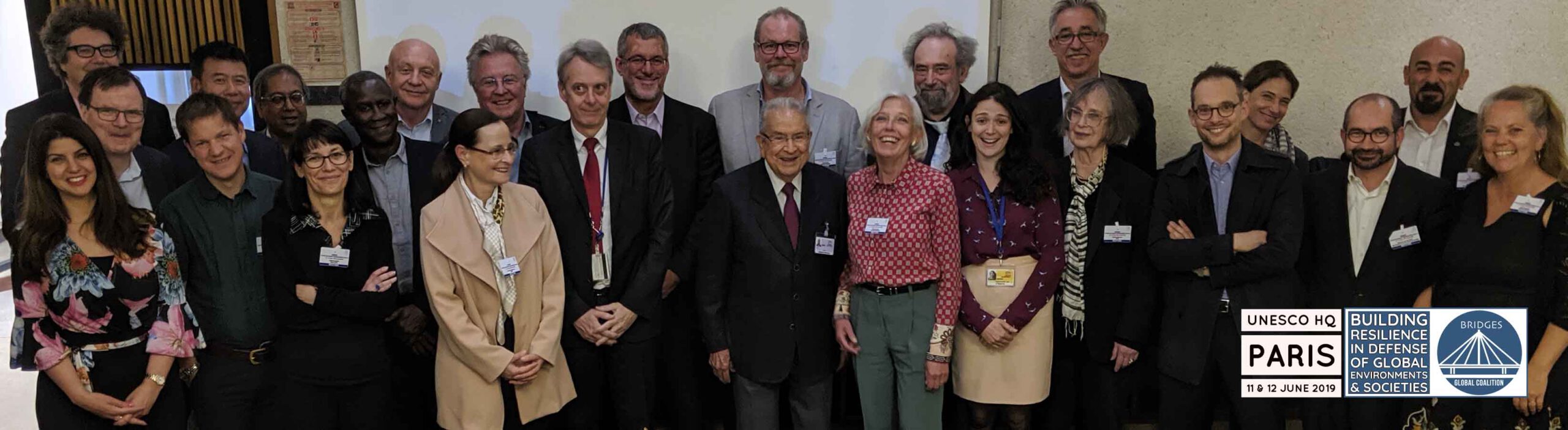
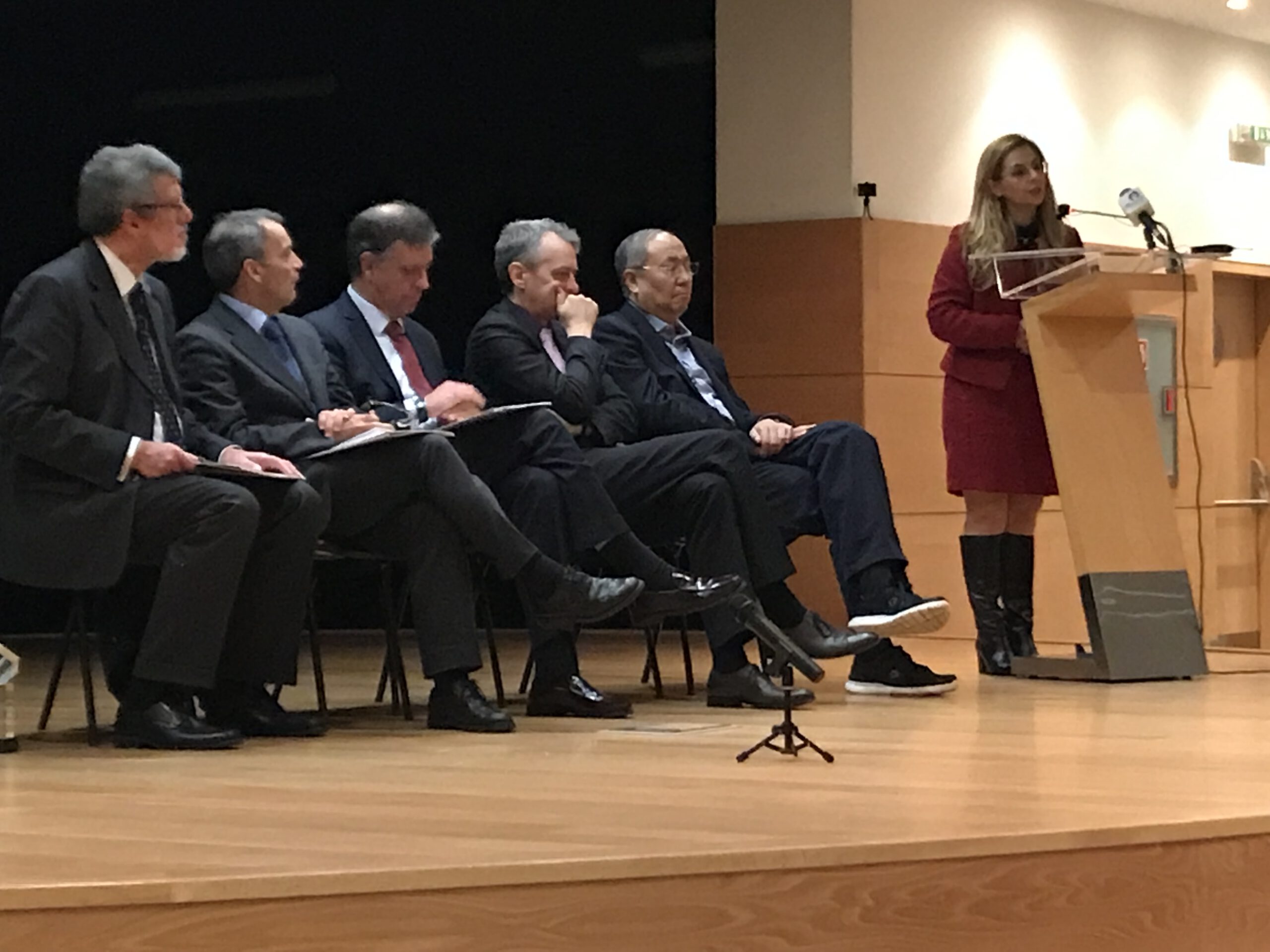
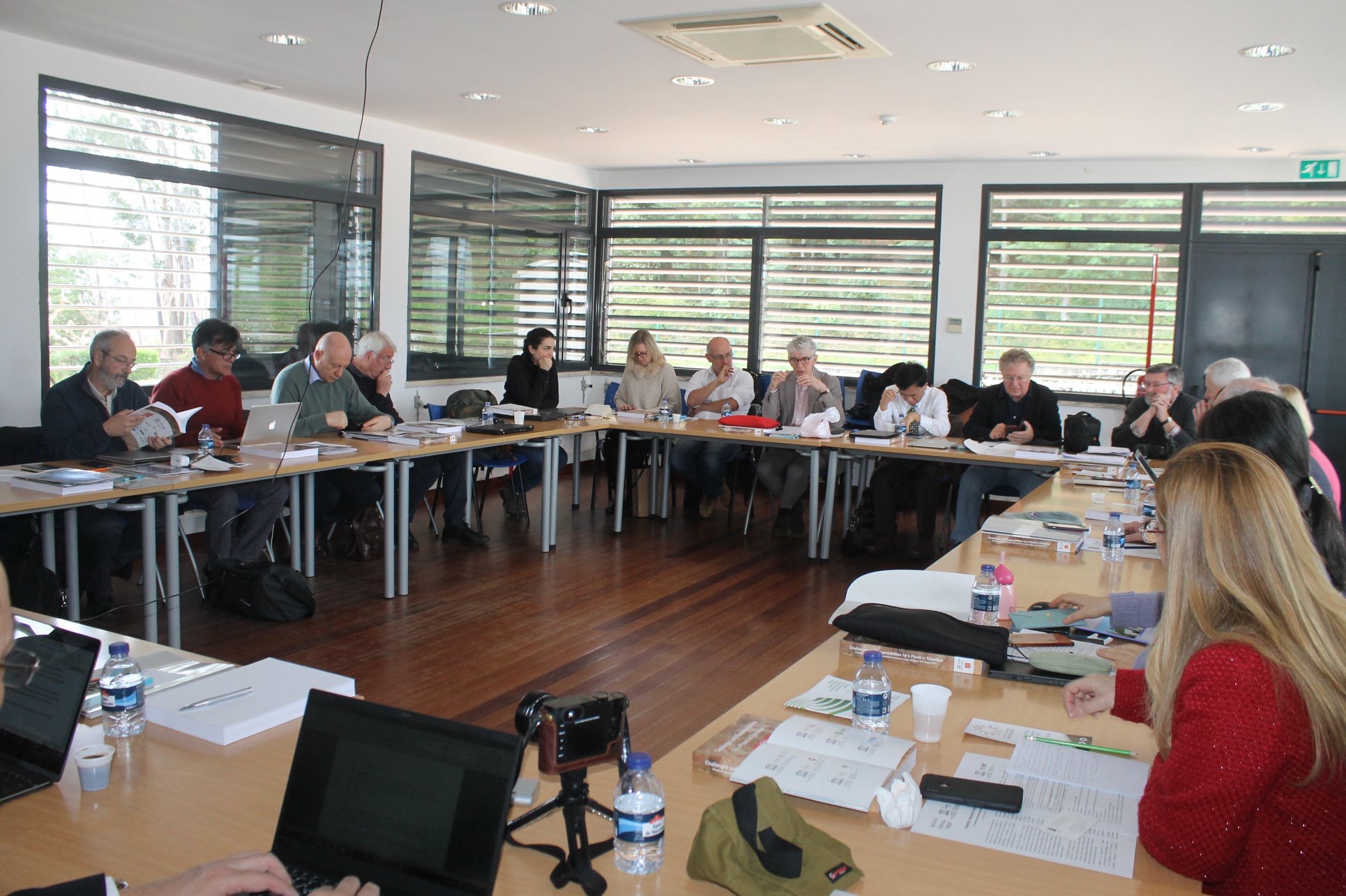
In 2019, the development process included two major meetings: The first was held in Mação, Portugal, during the week of 13 March 2019, to prepare for the second, larger meeting: the Paris workshop, held at UNESCO Headquarters in Paris on 11–12 June 2019. This meeting involved much wider participation from delegates and stakeholders, and the follow-up project of the IYGU, the “2020–30 Science Decade for Global Understanding”, was presented as a potential program guideline. This meeting produced an initial draft of the protocol for establishing the BRIDGES Global Coalition in Sustainability Science, finalised at the third workshop in Sigtuna, Sweden, in autumn 2019.
The Jena Declaration
The Jena Declaration (TJD) was proclaimed in March 2021 based on a global survey conducted by the Jena UNESCO Chair in early 2019 on behalf of the Canadian National Commission for UNESCO. The survey participants were directors and initiators of key UN and UNESCO programs; representatives of the Club of Rome; and leading researchers from global scientific umbrella organizations and other similar bodies. The participants identified the lack of citizen engagement as one of the main reasons for the delay in implementing the UN Agenda 2030.

This diagnosis was further elaborated upon in a specific online conference (see below), from which TJD emerged. The TJD’s goal is to mobilize a global grassroots movement of citizens worldwide. As a „Smiling Revolution,“ it calls on major institutions to change their sustainability policy strategies and simultaneously foster a broad, joyful, basic democratic sustainability movement.
Continued Cooperation
The legacy of IYGU continues through international cooperation, academic exchange and public dialogue. Both the UNESCO Chair and The Jena Declaration are embedded in a growing network of institutions, partners and initiatives that carry the idea of Global Understanding forward across disciplines, regions and sectors.
What began as an international year has thus become indeed an ongoing platform for collaboration and action.
Global Understanding did not end in 2016.
It evolved into long-term initiatives that continue to connect research, education, culture and sustainability policy worldwide.